Where Can I Find Wholesale Clothing Sets for a Business Set-up, Trendy and Brands with the Best Quality?
Entering the clothing business without a solid sourcing strategy is not entrepreneurship—it is gambling. In today’s hyper-competitive apparel market, success is driven by one decisive factor: where and how you source your clothing sets. Whether you are launching an online boutique, scaling an eCommerce brand, or building a private-label fashion line, understanding the real mechanics behind Wholesale Clothing Sets, customization, and manufacturing is non-negotiable.
Wholesale clothing sets are no longer just about buying cheap products in bulk. They are about speed, consistency, brand positioning, and margin control. From Wholesale Two Piece Sets dominating women’s fashion to Wholesale Men Sets and Wholesale Kids Sets expanding into lifestyle collections, clothing sets have become one of the most profitable and fastest-moving product categories in global apparel.
The real question is not if you should source wholesale clothing sets—but where, how, and at what level of control.
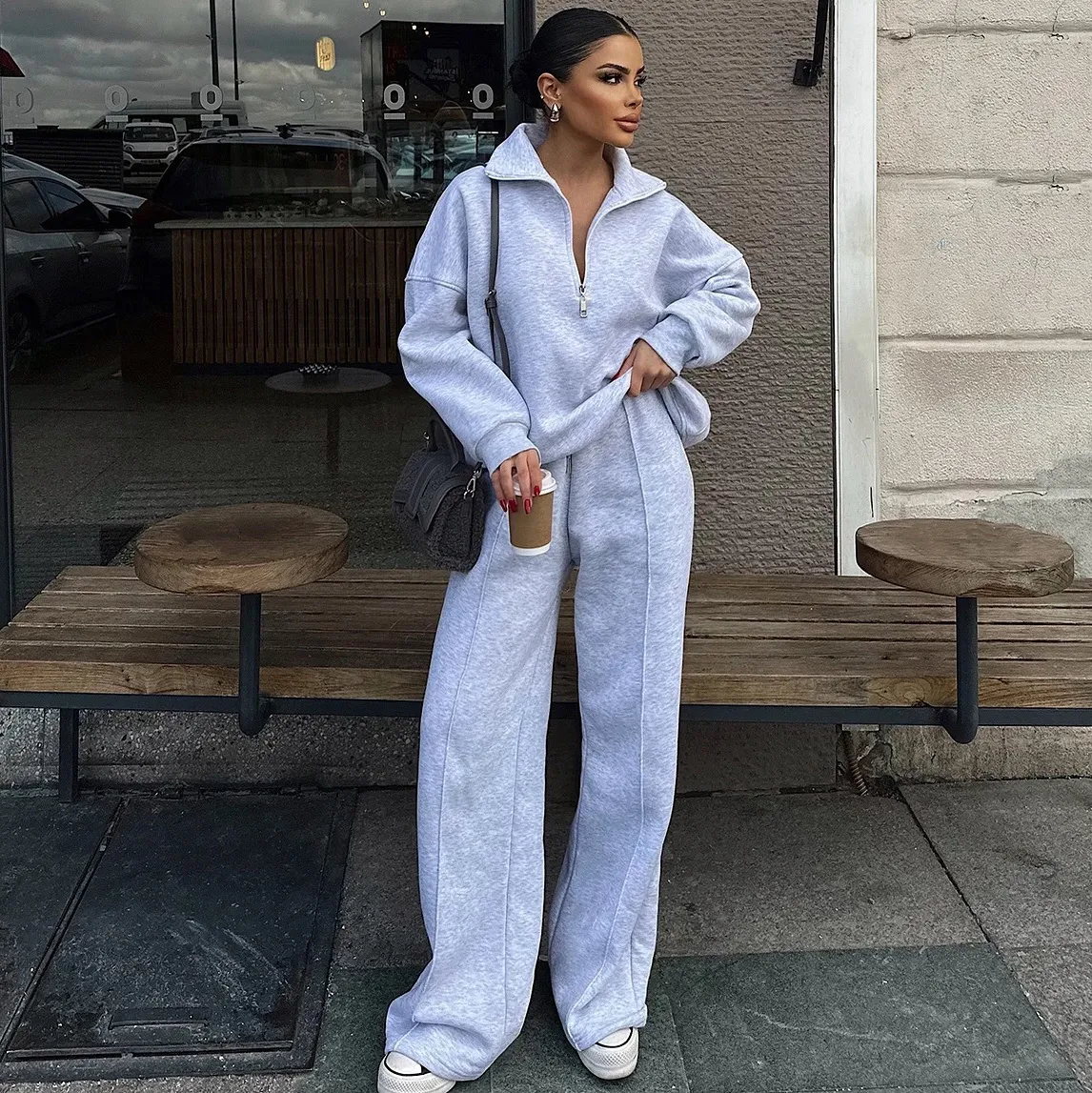
Understanding the Core Strength of Wholesale Clothing Sets in Modern Fashion Business
Wholesale clothing sets operate on a simple yet powerful business logic: buy more, pay less, sell faster. But beneath that simplicity lies a complex structure that separates professional buyers from amateurs.
At its core, wholesale sourcing means purchasing clothing sets in large quantities—typically packaged in predefined units such as 10 sets, 30 sets, or 100 sets per style. This structure allows suppliers to reduce per-unit production costs, which is exactly why Wholesale Clothing Sets offer price points that retail sourcing can never match.
One of the strongest advantages is price leverage. Wholesale suppliers operate on scale. The larger the order, the lower the unit cost, allowing retailers and online sellers to maintain aggressive pricing while preserving healthy margins. This is especially critical for competitive categories such as Wholesale Joggers Sets, Wholesale Shorts Sets, and trend-driven women’s collections.
Another defining feature is style and size assortment. Wholesale clothing sets are rarely sold as single-size items. Instead, they are bundled in full-size runs—S, M, L, XL—or curated size packs tailored for specific markets. This approach dramatically reduces inventory imbalance, especially for high-turnover categories like Wholesale Joggers Sets Womens and Wholesale Skirts Sets.
Wholesale sets are also designed for speed to market. Established suppliers maintain ready stock or fast restocking cycles, often shipping within 7 to 15 days. In fast-moving fashion cycles, this speed is a weapon. Miss the trend window, and you miss the profit.
Finally, wholesale sourcing is governed by Minimum Order Quantities (MOQ). MOQs typically range from 20 to 50 sets per style, though premium or branded collections may require higher commitments. While this may appear restrictive, it actually filters serious buyers from casual resellers and ensures production efficiency.
For anyone serious about fashion retail, wholesale clothing sets are not an option—they are the foundation.
Customization as a Strategic Weapon for Brand Differentiation
If wholesale is about speed and cost, customization is about identity and control. In saturated markets, selling generic products is a race to the bottom. Custom clothing sets transform a reseller into a brand.
Customization allows businesses to define every visible and functional detail of a product. From fabric selection to silhouette adjustment, from color palettes to packaging, customization creates products that customers recognize and remember.
For women’s fashion brands, Custom Women Sets are often the starting point. These may include redesigned Wholesale Two Piece Sets, elevated Crop Top Skirt Set Wholesale variations, or signature lounge and jogger collections. Customization enables brands to align designs precisely with their target audience—whether that audience values minimalism, streetwear, athleisure, or high-fashion aesthetics.
Men’s fashion follows a similar trajectory. Custom Mens Sets allow brands to create cohesive collections that go beyond basic Wholesale Men Sets. Whether it’s premium jogger sets, casual co-ords, or performance-inspired designs, customization positions men’s apparel as intentional rather than generic.
Children’s fashion is another rapidly expanding segment. Parents increasingly seek quality, safety, and unique designs. Custom Kids Sets allow brands to control fabric safety standards, sizing consistency, and design themes—critical factors in children’s apparel.
Customization also includes brand identity elements:
-
Custom logos
-
Woven or printed labels
-
Hangtags
-
Care labels
-
Branded packaging
These details may seem minor, but they dramatically influence perceived value. A customized set can command a significantly higher retail price than a generic wholesale item—even when production costs increase moderately.
However, customization comes with trade-offs. MOQs are typically higher, often ranging from 100 to 300 sets per style. Costs increase due to pattern development, sampling, and setup fees. Lead times are longer, as the process includes design approval, sample production, revisions, and final manufacturing.
Yet for brands aiming at long-term growth, customization is not an expense—it is an investment in differentiation and customer loyalty.
Manufacturing Power: Where Real Cost Control and Scale Are Built
Manufacturing represents the deepest level of control in the clothing supply chain. Unlike wholesale or basic customization, manufacturing integrates the entire production process—from raw materials to finished garments.
Manufacturers typically operate their own factories, sewing lines, and quality control systems. This scale enables them to handle large-volume orders efficiently while maintaining cost discipline. For businesses planning aggressive expansion, manufacturing is where margins are truly optimized.
One of the most significant advantages of manufacturing is supply chain integration. Manufacturers often work directly with fabric mills, dye houses, printing facilities, and accessory suppliers. This vertical coordination reduces middlemen, shortens production timelines, and stabilizes pricing.
Manufacturers also offer OEM and ODM services.
OEM (Original Equipment Manufacturing) focuses on producing garments based on the buyer’s existing designs. ODM (Original Design Manufacturing) includes design development, sampling, and full production—ideal for startups or brands without in-house design teams.
Quality control is another decisive factor. Professional manufacturers implement multi-stage inspections covering fabric quality, stitching accuracy, size tolerance, and finishing details. Many provide internal QC reports or support third-party inspections, which is essential for export-oriented businesses.
For categories such as Wholesale Joggers Sets, Wholesale Shorts Sets, and performance-based clothing sets, manufacturing expertise directly impacts durability, comfort, and customer satisfaction.
While manufacturing typically requires higher MOQs and longer lead times, it offers unmatched control over product consistency and scalability. For brands with long-term vision, manufacturing is not optional—it is inevitable.
Integrated Wholesale, Customization, and Manufacturing: The Smartest Path Forward
The most competitive suppliers today no longer offer just one service. They deliver wholesale stock, customization options, and full-scale manufacturing under one roof. This integrated model is rapidly becoming the industry standard—and for good reason.
The first advantage is one-stop sourcing efficiency. Businesses can test the market using ready-stock Wholesale Clothing Sets, then transition winning styles into customized or fully manufactured versions. This reduces risk while maintaining momentum.
The second advantage is margin optimization. By sourcing directly from integrated suppliers, buyers eliminate unnecessary intermediaries. Factory-direct pricing combined with customization capabilities creates opportunities for higher-profit private-label collections.
The third advantage is inventory flexibility. Hot-selling items such as Wholesale Skirts Sets or Wholesale Joggers Sets Womens can be restocked quickly, while exclusive designs receive dedicated production capacity.
This integrated approach also supports smarter branding strategies. Businesses can start with generic Wholesale Two Piece Sets, evolve into Custom Women Sets or Custom Mens Sets, and eventually build a proprietary manufacturing pipeline—all without changing suppliers.
This is where platforms like FashionTIY website: 70%+ Cheap Best Wholesale Market and Suppliers! stand out. FashionTIY connects buyers to a vast network of wholesale suppliers and manufacturers, offering trend-driven designs, aggressive pricing, and scalable sourcing solutions. For startups and established businesses alike, it provides access to Wholesale Men Sets, Wholesale Kids Sets, women’s collections, and customization-ready products in one ecosystem.
Key Factors That Decide Success or Failure in Clothing Set Sourcing
Every sourcing decision carries consequences. Understanding the variables that influence cost, quality, and scalability is essential.
Fabric selection directly affects comfort, durability, and price positioning. Cotton, polyester, blended knits, and performance fabrics each serve different market segments.
Production techniques—including printing, embroidery, and panel stitching—define customization potential and retail value.
MOQ requirements determine cash flow pressure and inventory risk. Lower MOQs offer flexibility, while higher MOQs unlock better pricing.
Logistics and customs influence delivery speed and landed cost, especially for international businesses.
Quality control systems impact customer satisfaction, return rates, and brand reputation. Inconsistent sizing or poor stitching can destroy trust overnight.
Ignoring any of these factors is not a mistake—it is a liability.
Choosing the Right Sourcing Model for Your Business Vision
If you are a retailer or eCommerce seller, prioritize ready-stock wholesale combined with light customization. This allows rapid testing with minimal risk.
If you are building a brand, invest early in OEM or ODM manufacturing. Unique products create defensibility.
If you are a distributor or wholesaler, combine Wholesale Clothing Sets with private-label customization to dominate niche markets.
There is no universal solution—only strategies aligned with clear goals.
In today’s fashion industry, success belongs to those who move fast, source smart, and build deliberately. Whether you are dealing in Wholesale Shorts Sets, launching Custom Kids Sets, or scaling Wholesale Men Sets, the rules are clear: control your supply chain, respect quality, and never compete on price alone.
The market rewards clarity, courage, and execution. Everything else is noise.


评论
发表评论