Plus Size Clothing Trends: What Retailers Need to Know?
The plus size clothing market isn’t just growing—it’s exploding. And if you’re a retailer still treating it as an afterthought, you’re leaving money on the table. Big money. The global plus size clothing market is projected to hit $694 billion by 2027, and that’s not a number to ignore. But here’s the hard truth: succeeding in this market requires more than just stocking larger sizes. It demands a strategic approach that aligns with the unique needs and preferences of plus size consumers.
The Raw Reality of Plus Size Fashion Trends
Let’s cut to the chase: plus size fashion isn’t a niche anymore. It’s the mainstream. And the trends driving this market are as dynamic as they are profitable.
The Rise of Athleisure and Activewear
Athleisure isn’t just a trend—it’s a lifestyle. For plus size consumers, this means demand for high-waisted leggings that actually stay up, sports bras with real support, and versatile pieces that transition seamlessly from gym to grocery store. Retailers who dismiss this category do so at their peril. The plus size activewear market alone is growing at 12% annually, outpacing the overall activewear sector.
Comfort as Non-Negotiable
Gone are the days when plus size consumers settled for shapeless, uncomfortable clothing. Today’s plus size shopper demands fabrics that stretch without sagging, silhouettes that flatter without constricting, and breathable construction that keeps them comfortable all day. This isn’t a request—it’s a requirement.
Bold, Unapologetic Style
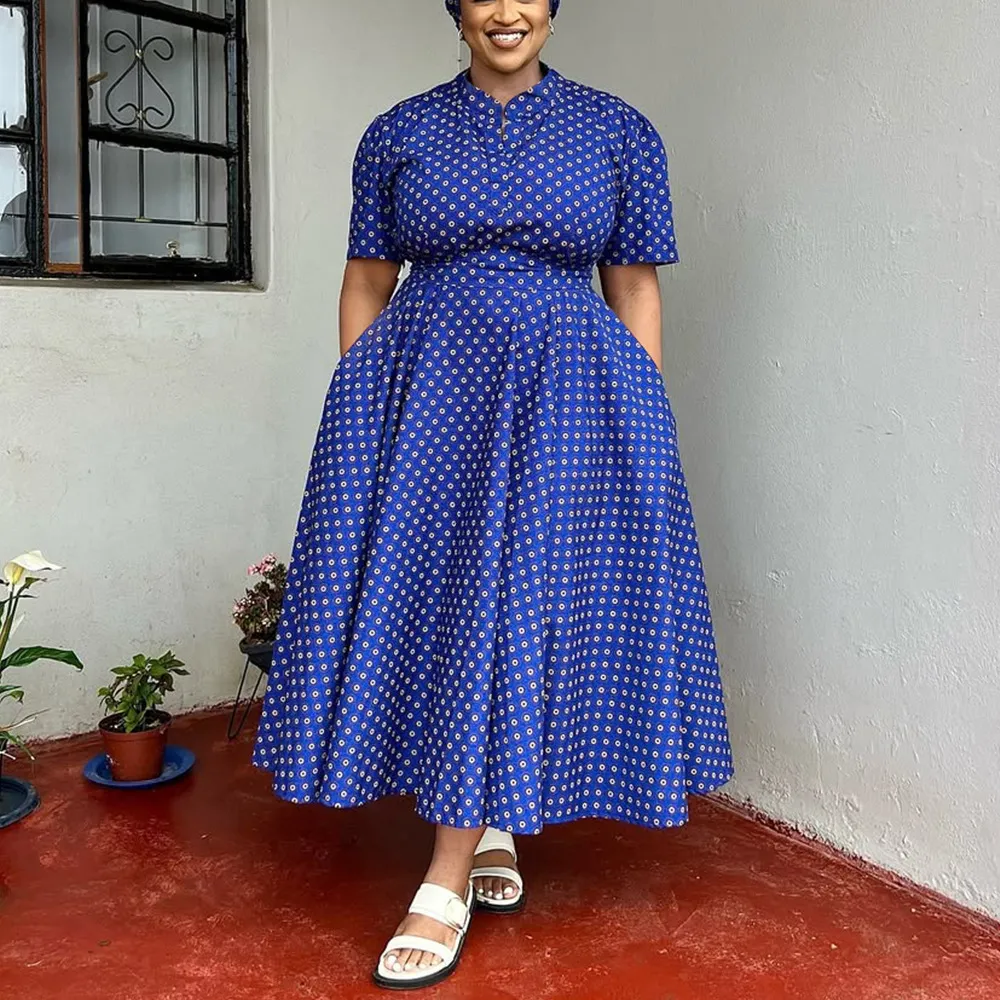
Plus size consumers aren’t hiding anymore. They’re embracing bold colors, eye-catching prints, and statement pieces that demand attention. From animal prints to color blocking, the days of muted, “safe” plus size fashion are over. Retailers who stick to neutral tones and conservative designs are missing the mark.
Size Inclusivity Done Right
True size inclusivity isn’t just about offering sizes up to 3X. It’s about proportional sizing that accommodates different body shapes, adaptive clothing for those with mobility needs, and extended size ranges that go beyond the industry standard. This isn’t charity—it’s good business.
When navigating these trends, platforms like FashionTIY offer invaluable insights and wholesale plus size clothing options. For retailers ready to serious about this market, plus size apparel wholesale is the gateway to accessing the styles and sizes that will set them apart from competitors.
The Consumer Revolution: What Plus Size Shoppers Really Want
Let’s be clear: plus size consumers are fed up with being an afterthought. They’re demanding more, and they’re willing to spend their money with brands that deliver. Here’s what they’re looking for:
Quality Over Quantity
Plus size consumers aren’t interested in fast fashion that falls apart after a few washes. They’re willing to invest in high-quality, durable pieces that last. This means retailers need to prioritize fabric quality, construction standards, and overall craftsmanship. Cutting corners on quality is a surefire way to lose this customer base.
Authentic Representation
The days of using straight-sized models to showcase plus size clothing are over. Plus size consumers want to see themselves represented in marketing and advertising. They want to see models with their body type, skin tone, and style. Brands that fail to deliver on this will struggle to connect with this audience.
Seamless Online Shopping
Online shopping is a lifeline for many plus size consumers, who often face limited options in brick-and-mortar stores. This means retailers need to invest in virtual try-on technology, comprehensive size guides, and detailed product descriptions. A clunky, unresponsive online experience is a deal-breaker.
Personalization and Customization
Plus size consumers have unique fit needs, and they’re looking for brands that acknowledge this. From made-to-measure options to customizable features, personalization is becoming increasingly important. Retailers who offer custom plus size apparel will have a significant advantage in this market.
For retailers looking to partner with suppliers who understand these needs, wholesale plus size clothing vendors that specialize in plus size apparel are essential. These vendors bring the expertise and product range needed to meet the demands of this discerning customer base.
Strategic Sourcing: The Make-or-Break Factor
Let’s get real: sourcing is where many retailers fail in the plus size market. They either don’t carry enough inventory, carry the wrong sizes, or fail to stay ahead of trends. Here’s how to get it right:
Trend-Based Buying with Conviction
Retailers need to stop playing it safe with plus size inventory. This means staying ahead of trends, not following them. It means investing in styles that make a statement, not just blending in. For retailers ready to take this approach, bulk plus size clothing purchases can provide the inventory depth needed to capitalize on trends.
Size Distribution That Makes Sense
One of the biggest mistakes retailers make is carrying the same size distribution for plus size as they do for straight sizes. This is a recipe for disaster. Plus size inventory needs to be weighted toward the most in-demand sizes, which often means stocking more of the larger end of the plus size spectrum.
Seasonal Planning with Precision
Seasonal trends hit the plus size market just as hard as they do the straight size market. Retailers need to plan their inventory accordingly, stocking bulk plus size dresses for spring and summer, and cozy layers for fall and winter. For budget-conscious retailers, cheap plus size dresses wholesale options can help maintain margins while still offering on-trend styles.
Data-Driven Decisions
Gut instinct isn’t enough in the plus size market. Retailers need to use sales data, customer feedback, and market research to inform their purchasing decisions. This means tracking which styles sell, which sizes move fastest, and which price points resonate with their customer base.
For retailers looking to optimize their inventory, plus size clothing bulk purchases can provide cost efficiencies while ensuring a consistent supply of popular styles. This approach allows retailers to maintain competitive pricing while still offering the variety that plus size consumers demand.
The Future of Plus Size Fashion: Opportunities You Can’t Afford to Miss
The plus size market isn’t just growing—it’s evolving. Retailers who stay ahead of these changes will reap the rewards. Here’s what’s on the horizon:
Technology Integration
From virtual fitting rooms to AI-powered size recommendations, technology is revolutionizing the plus size shopping experience. Retailers who embrace these tools will provide a more personalized, seamless experience for their customers.
Sustainability with Impact
Plus size consumers are increasingly prioritizing sustainable and ethically produced clothing. This means retailers need to partner with suppliers who use eco-friendly materials, ethical production practices, and transparent supply chains.
Customization and Personalization
The demand for personalized clothing is growing, and plus size consumers are leading this charge. From made-to-measure options to customizable features, retailers who offer these services will stand out in a crowded market.
Inclusivity Expansion
Size inclusivity isn’t just about offering larger sizes—it’s about offering a wider range of styles, fits, and options for all body types. This means expanding beyond traditional plus sizes to include petite plus, tall plus, and other niche categories.
Digital Innovation
Social media, influencer marketing, and social commerce are becoming increasingly important in the plus size market. Retailers who build a strong online presence and engage with their audience through these channels will build brand loyalty and drive sales.
For retailers looking to capitalize on seasonal trends, bulk plus size sets and bulk plus size swimsuits offer opportunities to drive sales during specific times of the year. These categories often see significant demand during peak seasons, and retailers who stock them appropriately can boost their bottom line.
The Hard Truth: Adapt or Die
Let’s be blunt: the plus size market isn’t going anywhere. It’s only going to get bigger, more competitive, and more demanding. Retailers who continue to treat it as an afterthought will be left behind.
Success in this market requires a commitment to understanding the unique needs and preferences of plus size consumers. It requires a willingness to invest in quality inventory, embrace technology, and adapt to changing trends. It requires a recognition that plus size consumers aren’t a niche—they’re the majority.
With the right approach and access to quality wholesale plus size lingerie and wholesale plus size jeans from trusted platforms like FashionTIY, retailers can position themselves for success in this growing market.
The future of retail belongs to those who understand that size inclusivity isn’t just a trend—it’s a business imperative. And for retailers ready to embrace this reality, the plus size market offers unprecedented opportunities for growth, profitability, and brand loyalty.
So, what’s it going to be? Are you going to continue treating plus size consumers as an afterthought, or are you going to step up and capitalize on one of the fastest-growing segments in retail? The choice is yours. But let’s be clear: the clock is ticking, and the plus size consumer isn’t waiting around for retailers to catch up.


评论
发表评论