From Concept to Creation: The Custom Dress Design Process Explained
The fashion industry has evolved dramatically in recent years. What was once exclusively the domain of major brands with massive production capabilities has become accessible to entrepreneurs, boutique owners, and independent designers through private label services. Understanding how the custom dress design process works is essential for anyone looking to bring their fashion vision to life.
Custom dress design represents the intersection of creativity and commerce. It requires balancing aesthetic vision with practical considerations like fabric availability, production capabilities, and cost constraints. The process from initial concept to final delivery involves multiple stages, each with its own challenges and opportunities.
Initial Consultation and Design Development
Every successful custom dress begins with a thorough consultation process. This stage establishes the foundation for everything that follows and determines whether the final product will meet expectations.
Defining Your Vision and Requirements
The first step involves clearly articulating your design vision, target market, and quality expectations. Are you creating dresses for a custom plus size clothes line targeting underserved markets? Or perhaps you're developing a premium collection for boutique stores? The answers to these questions shape every subsequent decision.
Your supplier should ask detailed questions about your target customer, price point, occasion wear, and style preferences. Be prepared to share reference images, fabric swatches, or sketches that communicate your vision. The more specific you are at this stage, the better the final outcome.
Consider the end use of your dresses. Are they everyday wear, special occasion pieces, or office appropriate? Will they be worn in different climates and seasons? These factors influence fabric selection, construction details, and pricing strategy.
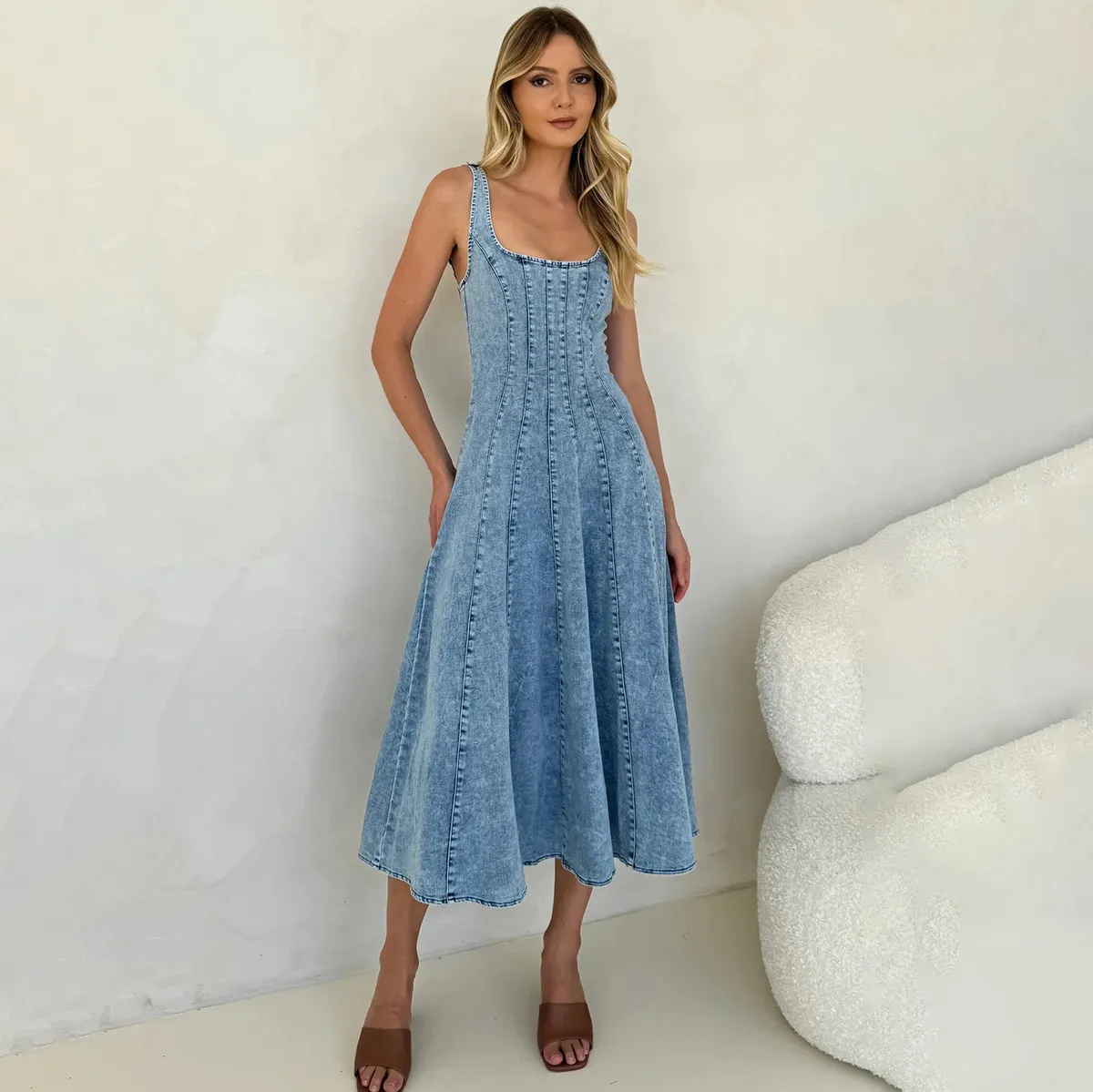
Technical Specification and Tech Packs
Once the creative direction is established, detailed technical specifications must be developed. A comprehensive tech pack includes sketches, measurements, fabric requirements, construction details, and quality standards.
The tech pack serves as the communication bridge between you and the manufacturer. It should leave no ambiguity about expectations. Include multiple views of each design, detailed measurements for all sizes, fabric specifications with acceptable alternatives, and construction notes that highlight critical details.
For customize dresses specifically, pay attention to details like lining construction, closure placement, and seam finishing. These details significantly impact how the dress looks on the body and how it holds up over time.
Fabric Selection and Sourcing
Fabric choice dramatically influences the final dress quality, price point, and market positioning. Understanding fabric characteristics and sourcing options is crucial for making informed decisions.
Evaluating Fabric Options
Different fabrics create dramatically different effects. Silk creates luxury and elegance but requires careful handling. Cotton offers comfort and breathability but wrinkles easily. Polyester provides durability and wrinkle resistance but may not breathe well. Your supplier should guide you through these trade-offs.
Request fabric swatches before committing to production. Examine how each fabric drapes, its weight on the body, and how it behaves during wear and washing. Ask about fabric shrinkage, colorfastness, and care requirements. These practical considerations affect customer satisfaction and return rates.
Consider fabric sustainability increasingly important to consumers. Recycled fabrics, organic cotton, and other sustainable options may command premium pricing and appeal to environmentally conscious customers.
Managing Fabric Costs and Availability
Fabric costs significantly impact your total product cost. Balance quality against price to find options that work for your target market. More expensive fabrics may justify higher retail prices but require larger upfront investments.
Monitor fabric availability. Some fabrics are seasonal or subject to supply disruptions. Build relationships with suppliers who can provide consistent access to the fabrics you need. Having backup fabric options identified in advance prevents production delays.
For custom printed swimwear and other specialized products, fabric printing and treatment options add complexity and cost. Factor in these additional requirements when planning your product development timeline and budget.
Pattern Making and Sample Development
Pattern making transforms your design concepts into tangible templates for production. This stage requires specialized expertise and close collaboration between you and your manufacturer.
Working with Pattern Makers
Professional pattern makers translate your design sketches into production-ready patterns. They understand how to create patterns that work across different body types and sizes, ensuring consistent fit regardless of the wearer.
For customized lingerie and other fitted garments, pattern making becomes even more critical. These products require precise measurements and specialized construction techniques that differ from woven garments.
Review pattern samples carefully before approving them for production. Check fit on different body types if possible. Identify any construction issues before committing to bulk production. Fixing problems at the sample stage is far less costly than addressing them after production begins.
Sample Fitting and Iteration
The sample fitting process typically requires multiple iterations. Initial samples reveal fit issues, construction problems, or design elements that don't work as expected. Be prepared to revise and refine until the sample meets your quality standards.
Document all changes clearly. Take detailed notes and photographs during each fitting. Create a final reference sample that serves as the standard for bulk production. This sample should be preserved carefully and referenced throughout production to ensure consistency.
Consider fit testing with your actual target customers if possible. Their feedback provides invaluable insights that improve the final product and reduce returns.
Production Management and Quality Control
Moving from samples to bulk production requires careful planning and ongoing oversight. Quality control processes protect your brand reputation and ensure customer satisfaction.
Establishing Production Schedules
Work with your supplier to establish realistic production timelines. Factor in fabric sourcing, pattern preparation, sample approval, and potential revisions. Rushed production often leads to quality compromises.
Build buffer time into your schedule for unexpected delays. Fabric shipments arrive late. Quality issues require rework. Pattern adjustments take time. A realistic schedule accounts for these variables and prevents desperate decisions.
Monitor production progress regularly. Don't wait until the shipment is ready to check in. Address issues as they arise rather than discovering them at delivery.
Quality Assurance Processes
Implement quality checkpoints throughout production. Inspect raw materials before cutting. Check work-in-progress at critical stages. Conduct final inspection before shipping.
Establish clear quality standards that your supplier must meet. Define acceptable defect rates and inspection procedures. Document these requirements in your production agreement.
For branded custom sportswear and other technical garments, quality control becomes even more important. Functional requirements like moisture-wicking and compression support must be tested and verified.
Logistics and Delivery
The final stage involves coordinating shipment and managing the delivery process. Effective logistics management ensures your products arrive in good condition and on schedule.
Shipping and Customs
Work with experienced logistics partners who understand international shipping procedures. Factor in shipping time when planning your product launches. Account for customs clearance which can add significant delays.
Consider shipping costs when evaluating supplier options. The landed cost of your products includes more than just the FOB price. Shipping, duties, insurance, and handling all add to your total cost.
For smaller orders, air freight may be more cost-effective than sea shipping despite higher per-unit costs. The reduced inventory risk and faster restocking may justify the premium.
Receiving and Inspection
Inspect incoming shipments carefully before accepting them. Check quantities against your order. Conduct random inspection of product quality. Document any discrepancies or damage immediately.
Set aside a portion of each shipment for detailed quality inspection. This sample provides ongoing reference for your quality standards and helps identify any production drift over time.
Expanding Your Product Line
Successful custom dress collections often lead to expanding into complementary categories. Consider how custom pajama set women and sleepwear can leverage your existing production relationships.
Many dress fabric suppliers and manufacturers also produce custom socks with logo and accessories. These extensions can increase average order value and provide customers with coordinated outfit options.
When expanding into new categories, apply the same rigor you used for dress development. Each category has its own fit requirements, construction challenges, and market positioning. Don't assume that what worked for dresses will automatically work for other products.
Custom blue jeans represent another logical extension for fashion brands. Denim requires specialized manufacturing capabilities and wash processes that differ from woven dresses. Identify suppliers with proven denim expertise before expanding into this category.
Building Long-Term Supplier Relationships
The custom dress design process improves significantly when you build long-term relationships with reliable suppliers. Consistency in quality, communication, and service compounds over time.
Communication and Trust
Maintain regular communication with your suppliers even when you're not in active production. Share market intelligence, upcoming trends, and customer feedback. This information helps suppliers serve you better and positions you as a valued partner.
Address problems directly and professionally. Most issues can be resolved through honest communication. Blaming and defending rarely leads to solutions. Focus on finding ways forward rather than assigning fault.
Growing Together
As your business grows, bring your suppliers along. Increased order volumes should translate into better pricing, priority production, and access to new capabilities. Communicate your growth plans and invite your suppliers to be part of your journey.
Consider visiting your suppliers periodically. Face-to-face relationships strengthen partnerships in ways that electronic communication cannot. See their operations, meet their teams, and understand their capabilities firsthand.
The custom dress design process from concept to creation involves multiple stages, each requiring attention, expertise, and collaboration. Success comes from understanding these stages, planning accordingly, and working with capable partners.
Invest the time and resources necessary to develop your designs properly. Rushing the process leads to quality problems, customer dissatisfaction, and brand damage. Take each stage seriously and demand excellence from yourself and your suppliers.
The fashion industry rewards those who bring genuine value to customers. Focus on quality, fit, and customer satisfaction. Success will follow.
Begin your custom dress journey today.


评论
发表评论