Custom Women Tops: Building a Unique Brand Identity Through Private Label
Private label isn't just about putting your logo on someone else's product—it's about creating something that's uniquely yours. In a market flooded with tops wholesale options, standing out requires more than just good taste. It requires strategy, vision, and the courage to be different.
This guide shows you how to leverage custom women tops to build a brand that customers remember, seek out, and pay premium prices for. No fluff, no theory—just actionable strategies for creating a brand that commands attention.
Design Differentiation: Creating Products That Can't Be Found Elsewhere
The most successful private label brands don't just copy trends—they create them. Your design choices define your brand identity and set you apart from competitors.
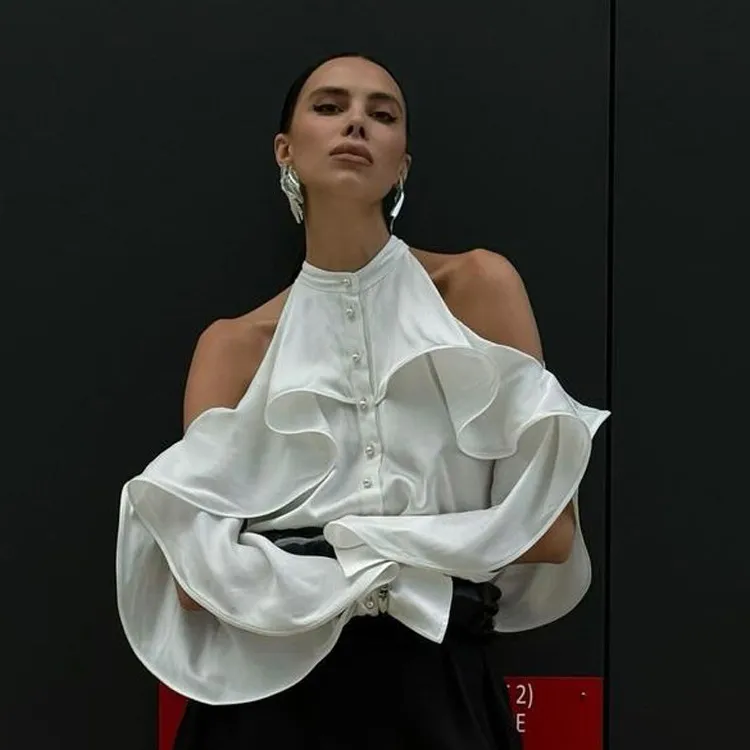
Understanding Your Brand DNA
Define Your Design Philosophy
Aesthetic: Minimalist, bohemian, edgy, or classic?
Target Customer: Who are you designing for?
Price Point: Budget-friendly, mid-range, or luxury?
Unique Selling Proposition: What makes you different?
Brand Identity Elements
Color Palette: Signature colors that become your brand signature
Silhouette Preferences: Cuts and shapes that define your style
Fabric Preferences: Materials that align with your brand values
Detail Focus: Embellishments, stitching, or finishing touches
Developing Signature Designs
Creating Iconic Pieces
Wholesale womens tops with unique necklines
Distinctive sleeve designs that become brand signatures
Innovative closures or fastening mechanisms
Signature patterns or prints exclusive to your brand
Design Process Best Practices
Start with customer research and market analysis
Sketch multiple iterations before finalizing designs
Create prototypes to test fit and functionality
Gather feedback from target customers
Refine designs based on real-world feedback
Balancing Trends with Timelessness
The Trend Dilemma
Following trends keeps you relevant
But trends fade, and timeless pieces endure
The sweet spot: trend-inspired designs with lasting appeal
Strategies for Longevity
Focus on classic silhouettes with trendy details
Invest in quality materials that stand the test of time
Create versatile pieces that work across seasons
Build a core collection with seasonal additions
Fabric Selection: Quality That Speaks Volumes
Your fabric choices communicate quality before customers even touch your products. Cheap fabric cheapens your brand—premium fabric elevates it.
Material Selection Strategies
Understanding Fabric Properties
Cotton: Breathable, comfortable, versatile
Silk: Luxurious, drapes beautifully, premium feel
Linen: Natural, breathable, perfect for summer
Rayon/Viscose: Soft, drapes well, affordable luxury
Blends: Combine benefits of multiple fibers
Matching Fabric to Brand Positioning
Luxury Brands: Silk, cashmere, high-quality cotton
Mid-Range Brands: Quality cotton, rayon blends, linen
Budget Brands: Polyester blends, cotton blends
Sourcing Premium Materials
Finding Reliable Fabric Suppliers
Attend textile trade shows and fabric markets
Request samples before committing to bulk orders
Test fabric quality through wash and wear tests
Build relationships with fabric suppliers for better pricing
Quality Control Standards
Color fastness testing
Durability and pilling resistance
Shrinkage rate measurement
Hand feel and drape assessment
Sustainable Fabric Options
Eco-Friendly Materials
Organic Cotton: Grown without harmful pesticides
Recycled Polyester: Made from recycled plastic bottles
Tencel/Lyocell: Sustainable wood pulp fiber
Hemp: Durable, eco-friendly, naturally resistant
Marketing Sustainability
Highlight sustainable materials in product descriptions
Share your sustainability story with customers
Use eco-friendly packaging to reinforce brand values
Consider sustainability certifications for credibility
Private Label Implementation: From Concept to Production
Turning your vision into reality requires careful planning and execution. The private label process is complex but manageable with the right approach.
Finding the Right Manufacturing Partner
Supplier Evaluation Criteria
Production Capacity: Can they handle your volume?
Quality Standards: Do they meet your quality requirements?
Lead Times: Can they deliver when you need products?
Communication: Are they responsive and transparent?
Pricing: Do their rates fit your budget?
Red Flags to Avoid
Unrealistically low prices
Poor communication or delayed responses
Inconsistent quality across samples
Lack of transparency about production processes
The Production Process
Step-by-Step Workflow
Design Finalization: Lock in your designs and specifications
Sample Creation: Produce samples for approval
Sample Review: Evaluate fit, quality, and design accuracy
Production Planning: Schedule production and confirm timelines
Quality Control: Inspect products during and after production
Packaging and Shipping: Package products and arrange delivery
Quality Assurance Protocols
In-line inspections during production
Final inspection before shipping
Random quality checks on completed orders
Clear quality standards and acceptance criteria
Logo and Branding Integration
Logo Placement Options
Embroidered Logo: Premium, durable, professional
Printed Logo: Cost-effective, versatile, vibrant colors
Woven Label: Subtle, sophisticated, high-quality feel
Heat Transfer: Modern, precise, good for complex designs
Branding Elements to Consider
Hang Tags: Brand information and care instructions
Size Labels: Clear, consistent sizing information
Care Labels: Washing and care instructions
Packaging: Branded boxes, bags, or tissue paper
Pricing and Positioning: Maximizing Profit Margins
Private label products command premium prices—but only if positioned correctly. Your pricing strategy reflects your brand value and market positioning.
Understanding Your Costs
Cost Breakdown
Fabric Costs: Material costs per unit
Production Costs: Manufacturing and labor costs
Branding Costs: Logo, labels, and packaging
Overhead Costs: Design, marketing, and operational expenses
Shipping and Logistics: Transportation and warehousing
Calculating Your Break-Even Point
Break-Even Quantity = Fixed Costs / (Selling Price - Variable Costs)Pricing Strategies
Cost-Plus Pricing
Calculate total costs
Add desired profit margin
Set selling price
Value-Based Pricing
Determine perceived value to customer
Price based on value delivered
Higher margins for unique or premium products
Competitive Pricing
Research competitor pricing
Position your brand accordingly
Adjust based on market conditions
Maximizing Profit Margins
Strategies for Higher Margins
Premium Materials: Justify higher prices with quality
Unique Designs: Differentiate from competitors
Brand Story: Create emotional connection with customers
Limited Editions: Create scarcity and exclusivity
Cost Optimization
Negotiate better terms with suppliers
Optimize production processes
Reduce waste through efficient cutting
Minimize returns through quality control
Marketing Your Private Label Brand
Great products don't sell themselves. Effective marketing is essential for building brand awareness and driving sales.
Building Brand Awareness
Digital Marketing Strategies
Social Media: Instagram, Pinterest, TikTok for visual storytelling
Content Marketing: Blog posts, style guides, fashion tips
Influencer Partnerships: Collaborate with fashion influencers
Email Marketing: Build and nurture customer relationships
Offline Marketing Tactics
Pop-Up Shops: Temporary retail experiences
Fashion Shows: Showcase your collections
Trunk Shows: Intimate shopping events
Press Coverage: Fashion media and publications
Creating a Brand Story
Elements of a Compelling Story
Origin Story: How and why you started your brand
Values: What your brand stands for
Craftsmanship: Attention to detail and quality
Customer Impact: How your products make customers feel
Storytelling Channels
Website About page
Social media posts
Product descriptions
Marketing materials
Building Customer Loyalty
Strategies for Repeat Business
Exceptional Customer Service: Exceed expectations at every touchpoint
Quality Products: Consistent quality builds trust
Engagement: Connect with customers on social media
Loyalty Programs: Reward repeat purchases
Community Building
Create a brand community
Host customer events
Encourage user-generated content
Share customer stories and testimonials
Expanding Your Product Line
Once you've established your brand with core products, strategic expansion can accelerate growth.
Product Line Extension Strategies
Related Categories
Ladies shirts wholesale: Expand your blouse offerings
Wholesale knitwear sets: Add coordinated sets
Wholesale leather jackets: Outerwear for cooler seasons
Wholesale leather coats: Premium outerwear options
Seasonal Collections
Spring/Summer: Lightweight fabrics, bright colors
Fall/Winter: Heavier materials, darker tones
Holiday: Special occasion pieces
Resort: Vacation-ready styles
Niche Market Opportunities
Targeted Product Lines
Crop top in bulk: Youth-focused trendy pieces
Bodysuit clothing wholesale: Versatile layering pieces
Wholesale tank tops for printing: Customizable basics
Specialized Collections
Plus size inclusive sizing
Sustainable fashion line
Professional workwear collection
Athleisure and casual wear
Building a Brand That Lasts
Private label isn't a shortcut—it's a commitment to quality, differentiation, and customer value. Wholesale womens tops are everywhere, but brands that truly stand out are few and far between.
The difference between a forgettable brand and an iconic one comes down to vision, execution, and consistency. By focusing on unique design, premium materials, strategic pricing, and authentic marketing, you can build a brand that customers seek out and pay premium prices for.
This isn't easy work. It requires research, investment, and perseverance. But the rewards—a loyal customer base, premium pricing power, and a brand that's truly yours—make it worth the effort.
Now go create something unique. The market doesn't need another me-too brand—it needs yours.
Your customers are waiting for something different. Give it to them.


评论
发表评论