How to Choose a Reliable Wholesale Kids Clothing Supplier?
The children’s fashion market is not a temporary trend. It is a stable and profitable business sector driven by constant demand, fast product replacement cycles, and parents’ increasing expectations for quality, comfort, safety, and design. Retailers, online sellers, boutique owners, and emerging children’s brands are all looking for reliable supply partners that can provide competitive products, flexible production, and long-term cooperation.
Choosing the right supplier is one of the most important decisions in the children’s clothing business. A poor supplier can destroy profit margins through inconsistent quality, delayed delivery, limited product options, and weak communication. A professional supplier, on the other hand, can become a powerful business partner that helps brands grow faster, reduce risks, and capture more market opportunities.
A trustworthy supplier should not only provide products but also understand market trends, customer expectations, production standards, and brand development needs. From clothing and shoes to accessories and customized collections, the right supply chain partner determines whether a children’s fashion business can survive and succeed in a highly competitive market.
1. Understand the Key Features of Wholesale Children’s Wear
A strong supplier should offer a complete product range that covers different ages, styles, seasons, and customer demands. The children’s apparel market is diverse because children’s needs change quickly as they grow. Retailers need suppliers that can provide variety instead of limited basic products.
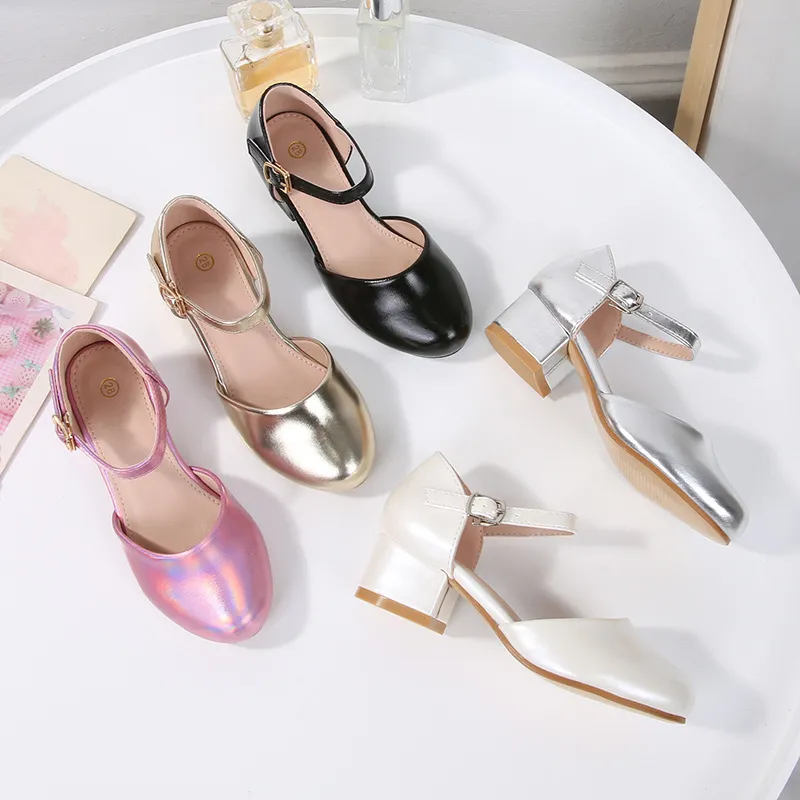
A professional Wholesale Childrens Wear supplier usually provides products for babies, boys, and girls, including:
Baby Clothing:
- Baby Bodysuits
- Baby Rompers
- Baby Sleepwear
- Baby Sets
- Baby Blankets and baby essentials
Boys’ Clothing:
- Boys T-Shirts
- Boys Shirts
- Boys Jackets
- Boys Jeans
- Boys Sportswear
Girls’ Clothing:
- Girls Dresses
- Girls Skirts
- Girls Tops
- Girls Leggings
- Girls Fashion Sets
Seasonal collections are also essential for maintaining sales throughout the year. Reliable suppliers should provide:
- Winter Coats
- Rain Jackets
- Summer Wear
- Holiday Outfits
- Special occasion clothing
Retailers are not simply buying individual products. They are building complete collections for their customers. A supplier with a broad catalog allows businesses to create stronger product strategies and increase purchasing efficiency.
For example, Wholesale Kids Rompers are popular because they combine comfort, practicality, and attractive designs for babies and toddlers. These products have strong repeat purchase potential because parents frequently need new sizes as children grow.
Similarly, Bulk Kids Outfit Sets help retailers create convenient shopping options. Matching sets reduce customers’ decision-making time and increase average order value. Suppliers that can provide coordinated collections give retailers a clear advantage.
The children’s clothing industry also has strong consumption stability. Unlike many fashion categories that depend heavily on personal preference, children’s apparel has a natural replacement cycle. Children grow quickly, clothing wears out faster, and parents regularly purchase new items.
Season changes create additional demand. Spring collections, summer clothing, winter jackets, and holiday outfits all generate new purchasing opportunities. This makes children’s fashion a reliable market for retailers who choose the right supplier.
However, product quantity alone is not enough. Quality is the real foundation of long-term success. Parents are increasingly careful about what their children wear. They expect safe materials, comfortable designs, and durable construction.
A professional supplier should focus on:
- Organic Cotton
- Cotton
- Bamboo Fiber
- Soft Jersey Fabrics
- Breathable materials
- Skin-friendly production
- Durable stitching
- Safe dyeing processes
Children’s products must meet strict safety expectations. Suppliers should have strong quality control systems, reliable manufacturing processes, and proper inspection procedures. Low prices without quality assurance often create customer complaints, returns, and brand damage.
Modern children’s fashion is also becoming more trend-driven. Parents want clothing that is comfortable but also stylish. Popular directions include:
- Mini Me family matching outfits
- Cartoon-inspired designs
- Kids streetwear
- Minimalist children’s fashion
- Vintage-inspired styles
- Sustainable kids wear
Suppliers that continuously develop new designs are more valuable because they help retailers stay competitive instead of selling outdated products.
2. Evaluate Product Range, Accessories, and Market Expansion Ability
A reliable children’s supplier should provide more than clothing. The modern kids’ market requires complete product solutions. Retailers increasingly prefer one-stop suppliers that can offer apparel, shoes, accessories, toys, and lifestyle products.
Children’s footwear is an important category because parents usually purchase shoes together with clothing. A strong supplier should offer:
- Sneakers
- Sandals
- Boots
- School Shoes
- Casual Shoes
When selecting a kids’ shoe supplier, buyers should carefully evaluate:
- Comfort level
- Anti-slip performance
- Lightweight structure
- Foot protection
- Material quality
Children spend a lot of time moving and playing, so poorly designed shoes can quickly damage customer trust. Reliable suppliers understand that children’s footwear requires special attention to safety and functionality.
Accessories are another powerful way to increase sales. Products such as hats, socks, backpacks, and hair accessories can complete a children’s product collection.
For example, Wholesale Kids Decor can help retailers expand beyond basic clothing by adding attractive children’s lifestyle products. A complete product environment encourages customers to purchase more items from the same brand.
Retailers can also increase revenue by adding:
- Bulk Kids Bags
- Wholesale Bookbags
- Kids Hats
- Winter Hats
- Sun Hats
- Hair Accessories
- Socks
These products improve product variety and create additional sales opportunities. A customer buying children’s clothing may also need school bags, accessories, or gifts.
Another profitable category is children’s entertainment products. Suppliers offering Wholesale Toys for Kids can help retailers create a broader children’s shopping experience. Combining fashion products with toys and accessories allows businesses to attract different customer groups and increase order value.
A supplier’s ability to support different product categories shows its overall supply chain strength. Businesses should avoid suppliers that only provide limited items without innovation. The best suppliers understand market development and help customers build complete children’s product ecosystems.
3. Choose a Supplier with Strong OEM/ODM Customization Capabilities
For businesses that want to build a unique children’s brand, customization is not optional. Competition in children’s fashion is intense, and selling identical products available everywhere makes it difficult to build customer loyalty.
A reliable OEM/ODM supplier can help brands create exclusive products through:
- Logo customization
- Label design
- Packaging solutions
- Style development
- Pattern creation
- Fabric selection
This service is especially valuable for:
- New children’s brands
- Amazon sellers
- Shopify stores
- Boutique retailers
- Baby product companies
A strong supplier does not simply manufacture existing designs. It should help transform ideas into market-ready products.
Small-batch production is another important advantage. Many new businesses fail because they purchase too much inventory before understanding customer demand. Flexible suppliers reduce this risk by offering:
- Low MOQ orders
- Sample development
- Flexible production plans
This approach allows businesses to:
- Test new products quickly
- Reduce inventory pressure
- Control investment costs
- Respond to market changes faster
Customization also creates opportunities for differentiation. Popular customization options include:
Design elements:
- Cartoon prints
- Animal patterns
- Educational themes
- Personalized graphics
Production techniques:
- Embroidery
- Printing
- Applique patches
- Embossing
For example, retailers selling Bulk Girls Dresses can create exclusive collections through unique fabrics, special patterns, and customized details. Instead of competing only on price, brands can compete through originality and customer experience.
A professional supplier should also provide a complete service process:
Design development → Material sourcing → Manufacturing → Quality inspection → Packaging → Global shipping
This integrated supply chain saves time and reduces communication problems. Businesses should look for suppliers that act as strategic partners rather than simple product sellers.
4. Build Long-Term Profitability Through the Right Supply Partner
The purpose of choosing a wholesale supplier is not only to obtain products at lower prices. The real goal is building a profitable and sustainable business model.
Successful retailers focus on products with higher added value. Basic products such as simple T-shirts and ordinary pants may generate limited profit because competition is extremely high.
Higher-profit opportunities usually come from:
- Designer children’s clothing
- Matching family outfits
- Holiday collections
- Functional outerwear
- Premium baby products
- Customized brand collections
A strong supplier helps businesses identify profitable opportunities instead of simply providing more inventory.
Building a complete product line is another effective strategy. Retailers should combine:
- Children’s clothing
- Kids shoes
- Kids hats
- Kids bags
- Accessories
- Toys
A complete collection increases customer spending and creates stronger brand recognition.
The best suppliers provide additional business support, including:
- Trend research
- Product development
- Quality control
- Packaging solutions
- International logistics support
These services create a major advantage in today’s competitive market. Businesses that rely only on cheap products often struggle with unstable quality and weak customer loyalty.
When evaluating suppliers, buyers should carefully consider:
- Manufacturing experience
Experienced suppliers understand production challenges and can solve problems faster. - Quality management
Reliable inspection systems reduce defective products and customer complaints. - Communication ability
Fast and clear communication prevents costly mistakes. - Production flexibility
Suppliers should support different order sizes and changing market demands. - Customization capability
The ability to create unique products helps brands stand out. - Delivery reliability
Late shipments can damage sales plans, especially during seasonal periods.
The right supplier is not necessarily the cheapest option. The cheapest supplier often creates hidden costs through poor quality, delays, and customer dissatisfaction. A reliable supplier creates long-term value by improving efficiency, reducing risk, and supporting business growth.
The children’s fashion market will continue expanding as parents invest more in quality, style, and personalized products for their children. Retailers and brands that choose professional suppliers with strong product development, customization ability, and supply chain management will have a stronger position in the future.
Choosing a wholesale kids clothing supplier is a strategic business decision. The right partner can help transform ideas into successful products, strengthen brand competitiveness, and create sustainable profits in the global children’s fashion market.


评论
发表评论